Let’s face it, raw data is overwhelming. That’s where dashboards come in.
Dashboards are more than just pretty visuals or charts on a screen. They’re powerful tools that allow organizations to monitor, analyze, and act on data in real-time. Whether you’re managing a marketing campaign, monitoring operational KPIs, or forecasting sales, a well-designed dashboard can give you the clarity and confidence you need to make informed decisions.
Keep reading to learn why dashboards are an essential part of today’s data analytics landscape.
1. Dashboards Turn Complex Data Into Clear Stories
Data is complex by nature. It lives across platforms, comes in different formats, and grows exponentially. Dashboards simplify this complexity by bringing together key metrics in one central view. Instead of sifting through spreadsheets or databases, users can quickly spot trends, outliers, and performance changes at a glance.
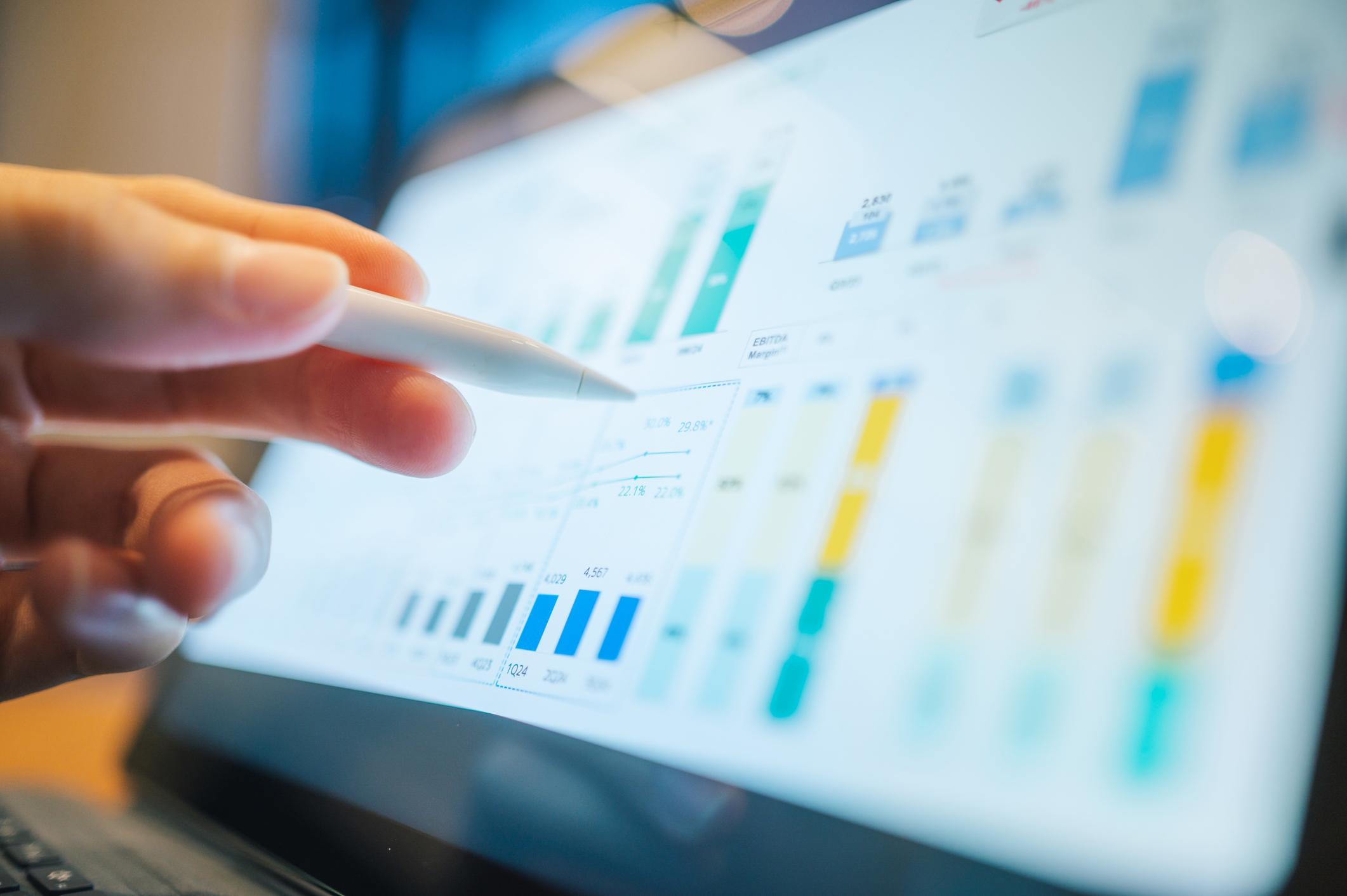
The beauty lies in visualization. Bar charts, pie graphs, line graphs, and interactive filters make data digestible and engaging. As humans, we process visual information 60,000 times faster than text. Dashboards leverage this to help teams understand what’s happening now and why it matters.
2. Real-Time Monitoring = Faster, Smarter Decisions
In today’s fast-paced business environment, timing is everything. Dashboards allow for real-time monitoring of key performance indicators (KPIs). This means you don’t have to wait for end-of-month reports.
For example, if a sudden drop in website traffic is detected, the marketing team can immediately investigate and respond. Without a dashboard, that insight might go unnoticed until it’s too late.
3. Dashboards Empower Teams at Every Level
Dashboards aren’t just for executives. When designed with the end-user in mind, dashboards can empower everyone from analysts to frontline staff, to make data-driven decisions.
A sales dashboard might help a representative track their pipeline and performance goals. A customer support dashboard might highlight rising ticket volumes before they become unmanageable. The ability to interact with the data (via drill-downs, filters, etc.) also gives users the flexibility to explore insights in ways most relevant to their work.
4. Align Strategy with Action
One of the most overlooked benefits of dashboards is how they align day-to-day activities with broader strategic goals. By continuously displaying progress against objectives, dashboards keep teams focused and accountable. You can easily see if you’re tracking toward your quarterly goals or if course correction is needed.
This kind of visibility supports transparency and fosters a performance-driven culture.
5. Customization and Automation Save Time
Modern dashboard tools like Power BI, Tableau, or Looker allow for automated data integration and updates. Custom dashboards can be built to reflect specific business needs, with automated refresh cycles that ensure data is always current.
This not only reduces human error but frees up time so your team can focus on analyzing data, not wrangling it.
View DSC’s Dashboard Case Study → HERE
Final Thoughts
A good dashboard provides clarity in chaos and helps organizations navigate the complexities of modern business with agility and confidence.
If your organization is swimming in data but struggling to find meaning in it, a well-built dashboard might just be the game-changer you need.
Sources:
- Harvard Business Review: Visualizations That Really Work
- Neomam Studios: 13 Reasons Why Your Brain Craves Infographics
- Tableau Blog